Tesla’s Robotaxi Pilot Hits the Streets
Tesla quietly launched its first-ever Robotaxi pilot on June 22, 2025, rolling out a small fleet of about ten modified Model Y SUVs in a geofenced zone around South Congress in Austin. The ride-hailing feature is invite-only for influencers and early backers, priced at a flat $4.20 per trip, and operates under Level 4 autonomy standards driven by camera-based Full Self-Driving (FSD) hardware—no LIDAR, no radar . Despite Tesla’s marketing punch, each trip includes a safety monitor seated in the front passenger seat—a clear sign the service isn’t fully hands-off yet .
Standard Hardware, Stealth Ambitions
Rather than debuting a bespoke robotaxi model, Tesla is retrofitting existing 2025 Model Ys with over-the-air updates—a strategic move to prove scalability and cost-efficiency . The pilot uses just Tesla’s eight-camera FSD suite, with no new sensors or sensor fusion. Elon Musk describes this as the culmination of “a decade of hard work” backed by Tesla-designed AI chips and its Dojo supercluster—but experts caution that full autonomy remains years off, and safety features will heavily rely on remote monitoring or onboard safety riders .
Cybercab & Robovan: Future Forms Await
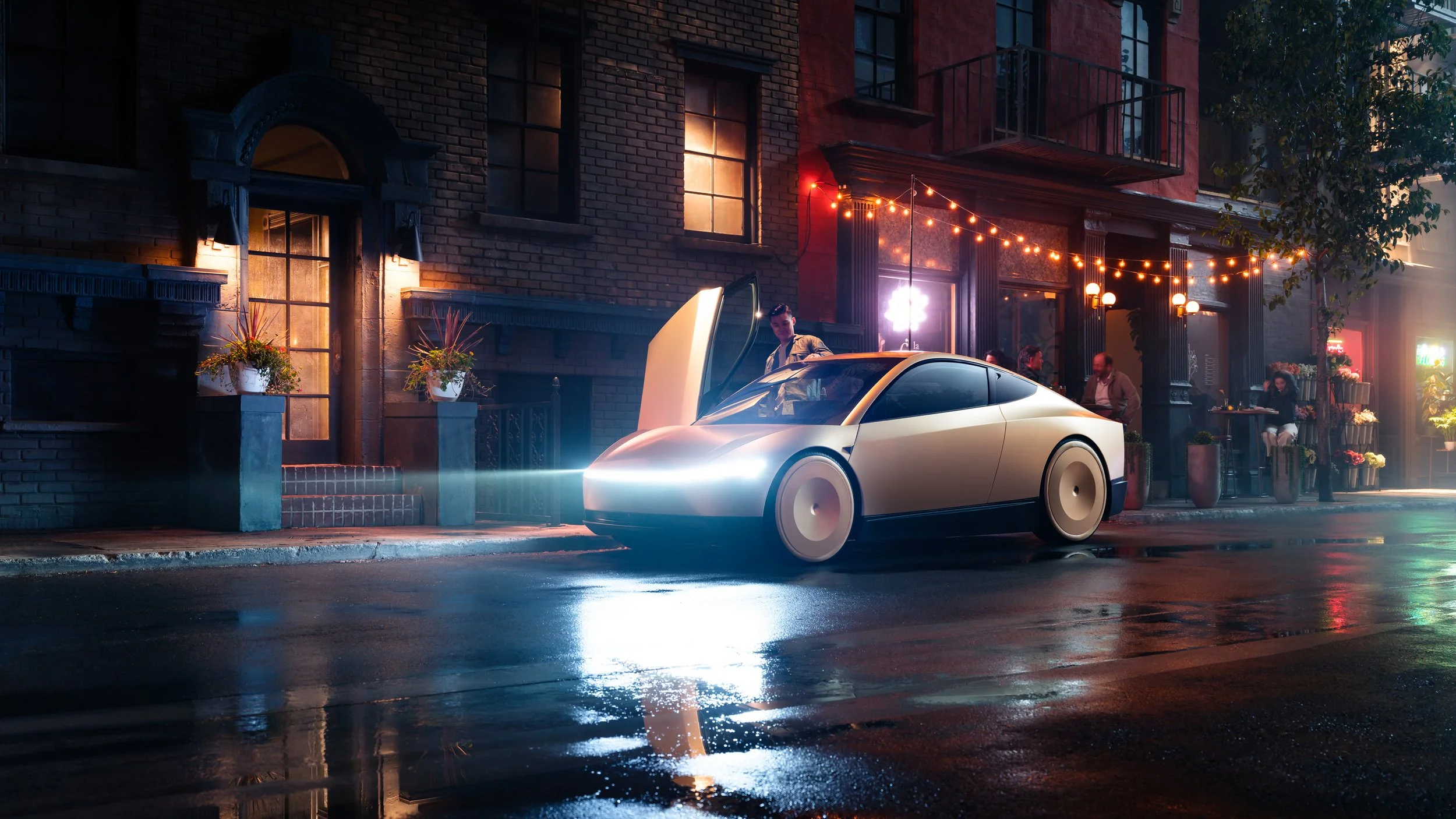
Tesla’s futuristic Cybercab—a two-seat, steering wheel–free robotaxi—and the multi-passenger Robovan prototype remain concept stage. Presented without pedals or a steering wheel at the October 2024 “We, Robot” event, both models are pegged for production “before 2027”, with targets under $30,000 and capacity for 2 million units annually . But for now, the public-facing program relies on conventional Model Y hardware—proof-positive that Tesla’s path to autonomous ride-hailing is a calculated evolution, not an overnight revolution.
Bottom line: Tesla dropped its Robotaxi pilot in Austin, spotlighting a bold yet cautious leap toward autonomous ride-hailing. It’s real—but not fully driverless, not publicly scalable yet, and predicated on existing tech. Don’t expect wheel‑free Cybercabs or mass deployment until sometime after 2026.